Securing Project Close-out: A Guide to PHI and Practical Completion
1. Legal and Operational Stakes of Project Handover
The closing phase of a construction project is the most critical legal milestone of Construction Contract Administration. Practical Completion is the act by which the client declares they accept the works, with or without snags, in the presence of the architect and contractors. This formal act triggers the start of statutory warranties and liability periods.
Managing Pre-Handover Inspections (PHI) is therefore a high-stakes phase. A lack of rigor in identifying non-conformities, defects, or architectural finish issues can expose the client to structural problems later or complicate the release of financial retentions held by banks.
2. Moving Beyond Manual Spreadsheet Snag Lists
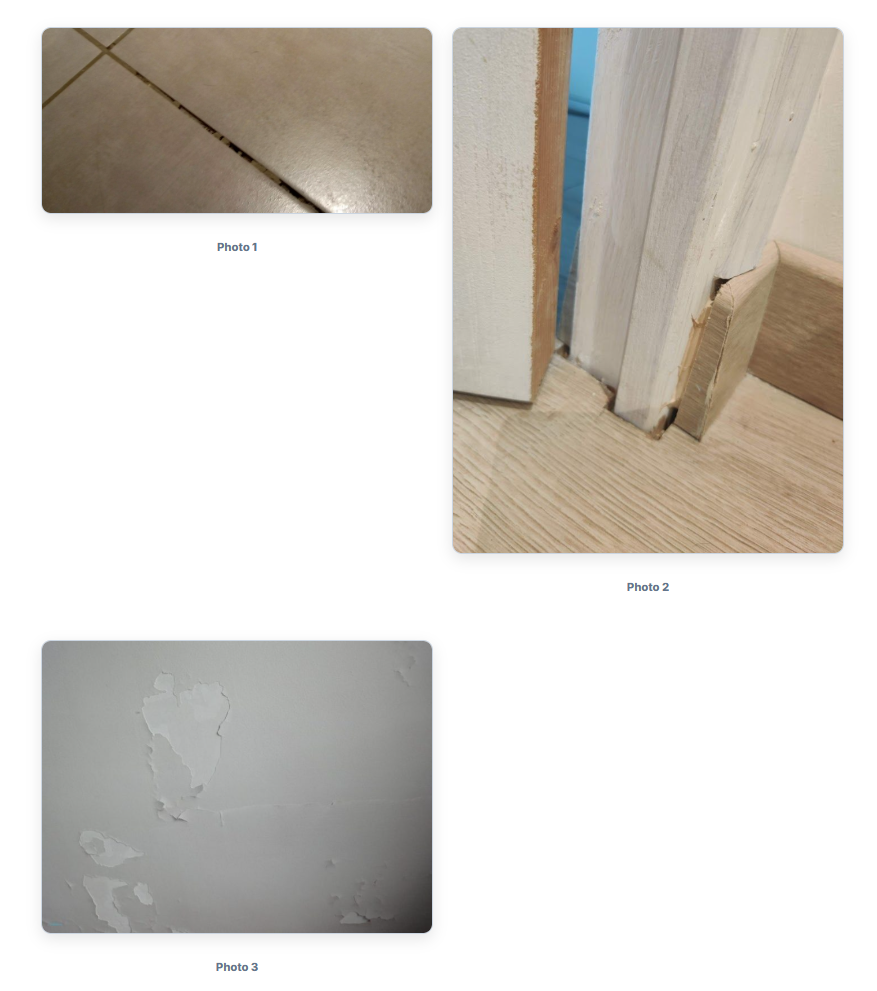
The traditional method of managing punch lists involves loose notes taken during site walks, followed by tedious manual entry into Excel back at the office. The site manager or architect must sort lines, link photos from their phone, redefine locations, and manually email files to various subcontractors.
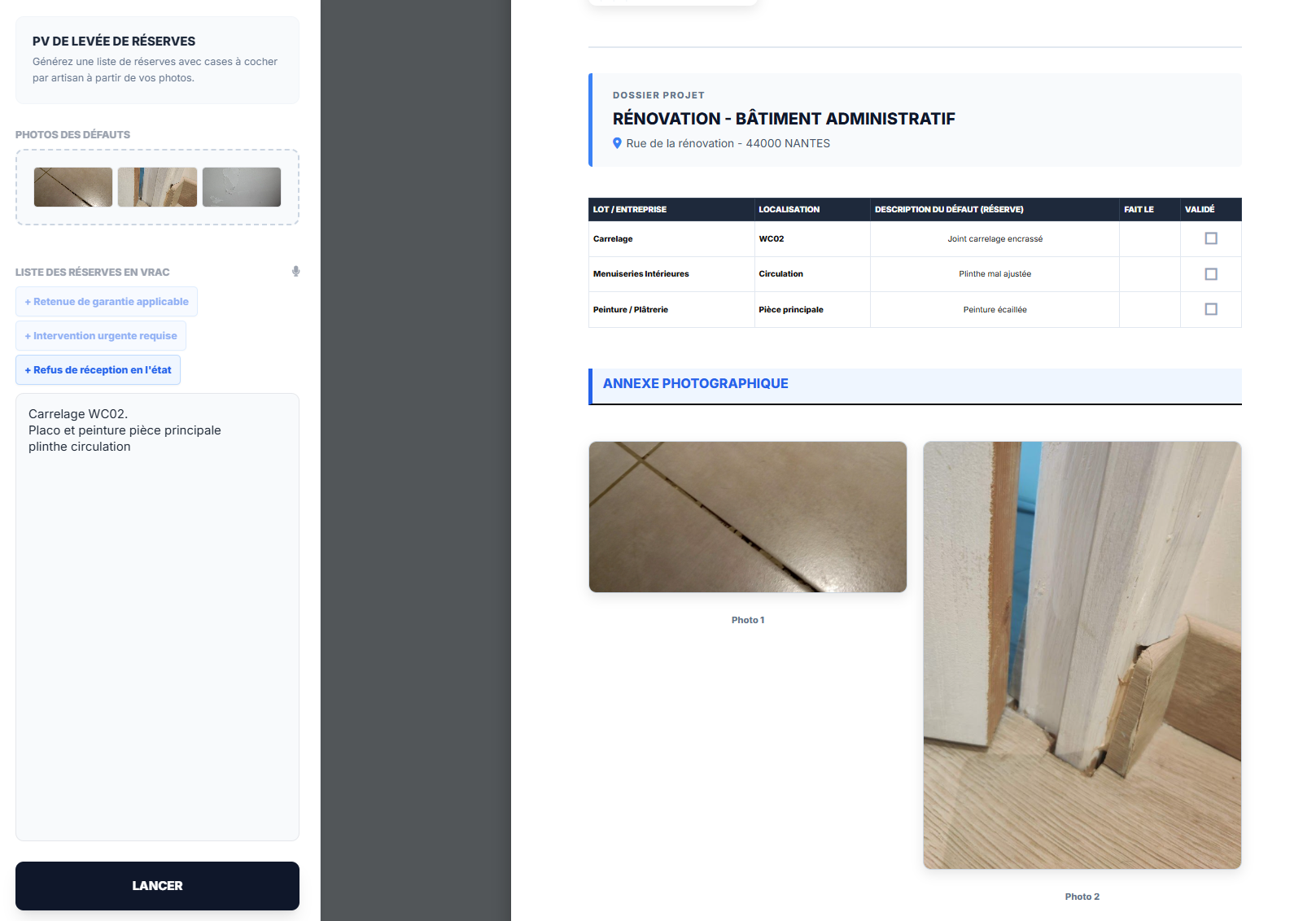
This manual workflow leads to high error rates, lost field data, and reporting delays of several days. Adopting mobile construction snagging software radically transforms agency productivity. By capturing data at the source via a mobile app, inspection reports are instantly structured by trade and shared in real-time. This drastically reduces lead times for remedial works before the contract delivery date.
3. Progress Traceability: A Shield Against Litigation
Tracking snag clearance requires rigorous traceability to avoid blame-shifting between trades (e.g., a painter damaging an electrician's work). Implementing a shared management dashboard allows statuses to be locked collaboratively.
Every logged defect moves through a transparent validation loop: from 'Identified' to 'Corrected' by the trade, and finally to 'Cleared' by the lead consultant. This accountability accelerates the issuance of the Final Completion Certificate, protects the client's financial interests, and ensures a perfect aesthetic and functional finish for the property.